Get Rubber Roof Repair
Rubber roof repair services help property owners fix leaks, tears, and damage on flat or rubber roofs, typically involving patching, sealing, and restoring roof integrity.
If your property has a rubber roof that’s showing signs of wear or damage, exploring repair options can help maintain its integrity and extend its lifespan. Rubber roof repairs are a common concern for property owners seeking practical solutions to prevent leaks, protect the structure, and avoid more costly repairs down the line. Whether you're managing a commercial building or a residential property, understanding your options and planning ahead can ensure your roof remains reliable and secure.
Connecting with experienced local contractors can provide valuable insights into the best repair strategies for your rubber roof. Comparing different service providers in the area allows property owners to find the right fit for their specific needs and project scope. Keep reading to learn more about rubber roof repair services and how local professionals can assist in safeguarding your property’s roof.
- Rubber Roof Repairs - needed when leaks or damage compromise the integrity of a rubber roofing system.
- Rubber Roof Replacement - required when existing roofing materials have aged or sustained extensive damage.
- Rubber Roof Patchwork - suitable for small tears or punctures that need quick, effective sealing.
- Rubber Roof Coating - recommended to extend the lifespan of a rubber roof and improve its weather resistance.
- Rubber Roof Inspection - essential for identifying early signs of wear, damage, or potential leaks before they worsen.
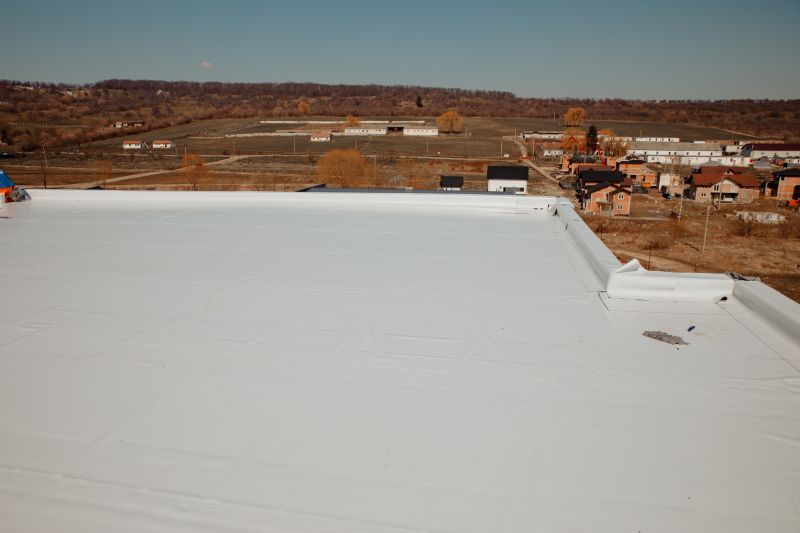
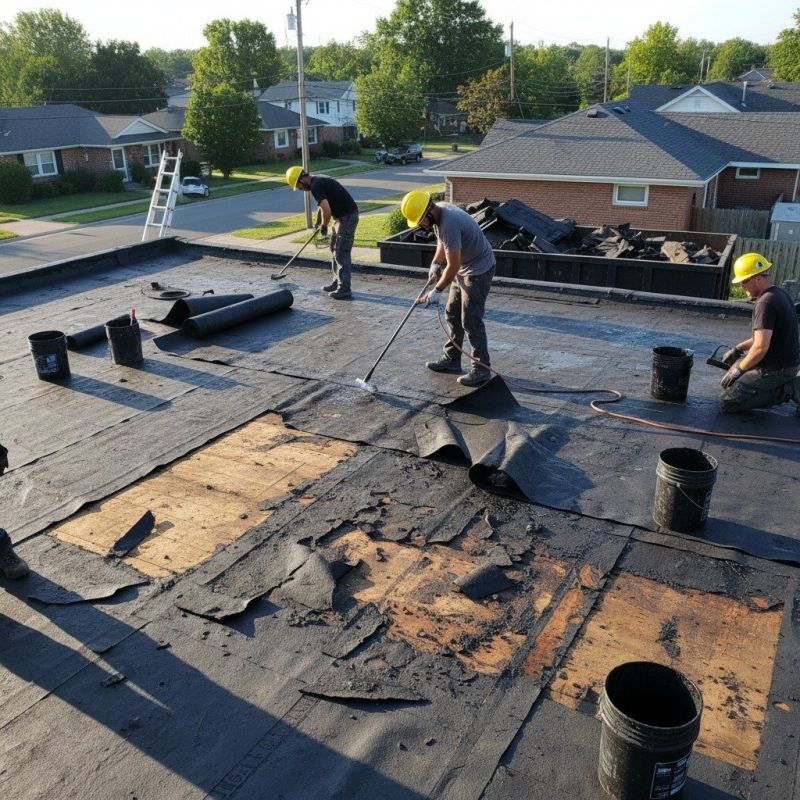
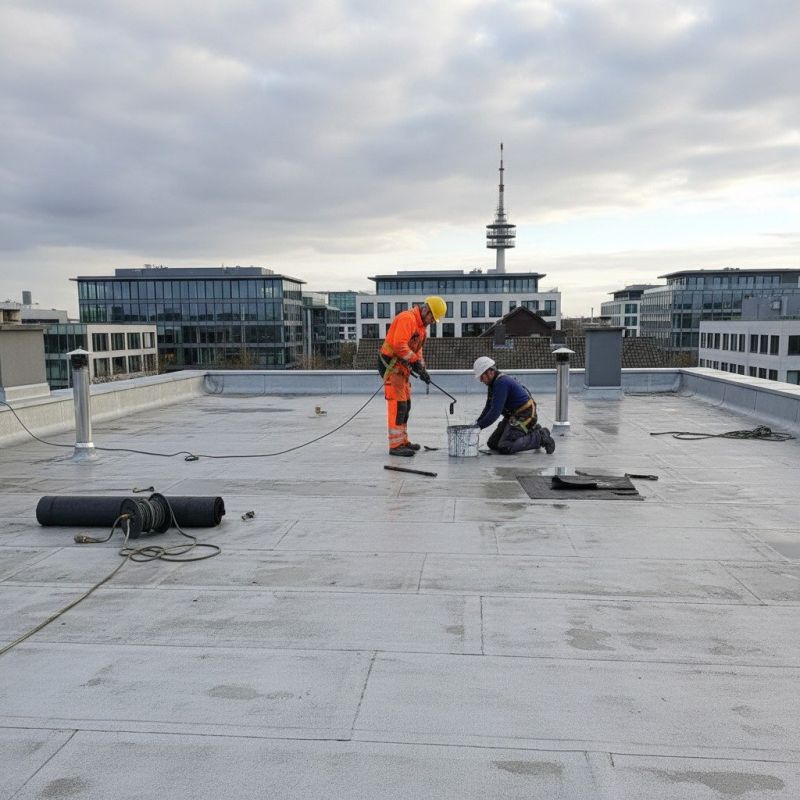
Rubber roof repair services involve inspecting and restoring flat or low-slope roofs made from rubber membrane materials. These services typically address issues such as punctures, tears, cracks, or seam separations that can develop over time due to weather exposure, foot traffic, or aging materials. Skilled contractors assess the extent of damage and perform necessary repairs to restore the roof’s integrity, helping to prevent leaks and further deterioration. Proper repair not only extends the lifespan of the rubber roofing system but also maintains its protective barrier against water infiltration.
Rubber roof problems often manifest as leaks, bubbling, or visible damage on the surface. Leaks can cause water to seep into the building, leading to potential interior damage and mold growth. Bubbles or blisters may indicate trapped moisture beneath the membrane, which can worsen if left unaddressed. Cracks or splits in the rubber surface weaken the roof’s waterproofing ability, increasing the risk of leaks during heavy rain or storms. Repair services are designed to address these issues promptly, sealing cracks and reinforcing vulnerable areas to keep the roof watertight.
This type of roofing repair is commonly used on commercial properties, such as warehouses, retail stores, and office buildings, that feature flat or low-slope roofs. However, many residential properties with flat or low-pitched roofs also utilize rubber membranes for their durability and ease of maintenance. Property owners may seek rubber roof repairs when signs of damage appear, especially after severe weather events or as part of routine inspections. Local contractors can evaluate the condition of a rubber roof and recommend appropriate repairs to ensure long-term performance.
Homeowners and property managers should consider rubber roof repair services when noticing signs of damage or leaks on their flat or low-slope roofs. Addressing issues early can help prevent costly repairs or replacements down the line. These services are suitable for various property types, including commercial buildings, apartment complexes, and residential homes with flat roofing systems. Connecting with experienced local service providers can ensure that repairs are performed efficiently and effectively, helping to maintain the roof’s protective function and the property’s overall integrity.
The overview below groups typical Rubber Roof Repair projects into broad ranges so you can see how smaller, mid-sized, and larger jobs often compare in your area.
In many markets, a large share of routine jobs stays in the lower and middle ranges, while only a smaller percentage of projects moves into the highest bands when the work is more complex or site conditions are harder than average.
Smaller Repairs - minor fixes such as patching leaks or replacing small sections typically cost between $250 and $600. Many routine repairs fall within this range, depending on the extent of the damage and roof size.
Medium Repairs - more extensive repairs, including larger patches or multiple leak fixes, generally range from $600 to $1,500. These projects are common for homeowners needing significant repairs without a full roof replacement.
Full Roof Replacement - replacing an entire rubber roof usually costs between $5,000 and $10,000, depending on the roof size and complexity. Larger or more complex projects can exceed this range, although fewer projects reach the highest tiers.
Emergency or Complex Projects - very large or urgent repairs, such as extensive damage from storms or structural issues, can cost $10,000 or more. These projects are less common and often involve additional factors that influence pricing.
Actual totals will depend on details like access to the work area, the scope of the project, and the materials selected, so use these as general starting points rather than exact figures.
Flat Roof Coating - Local contractors skilled in applying protective coatings on flat roofs often have experience with rubber roofing systems, ensuring proper sealing and durability.
Commercial Roofing Repair - Commercial roofing projects frequently involve rubber membrane repairs, requiring similar planning, tools, and surface preparation as rubber roof repairs.
EPDM Roof Installation - EPDM roofing, a type of rubber roofing material, shares installation and repair techniques with rubber roof services, making it a related project type.
Roof Leak Detection - Identifying and locating leaks in flat or rubber roofs involves diagnostic skills applicable to rubber roof repair projects.
Roof Waterproofing - Waterproofing projects for various roof types use similar materials and methods as rubber roofing repairs to prevent water intrusion.
Garage Roof Restoration - Restoring and sealing garage roofs often involves rubber or similar membrane materials, requiring comparable planning and application skills.
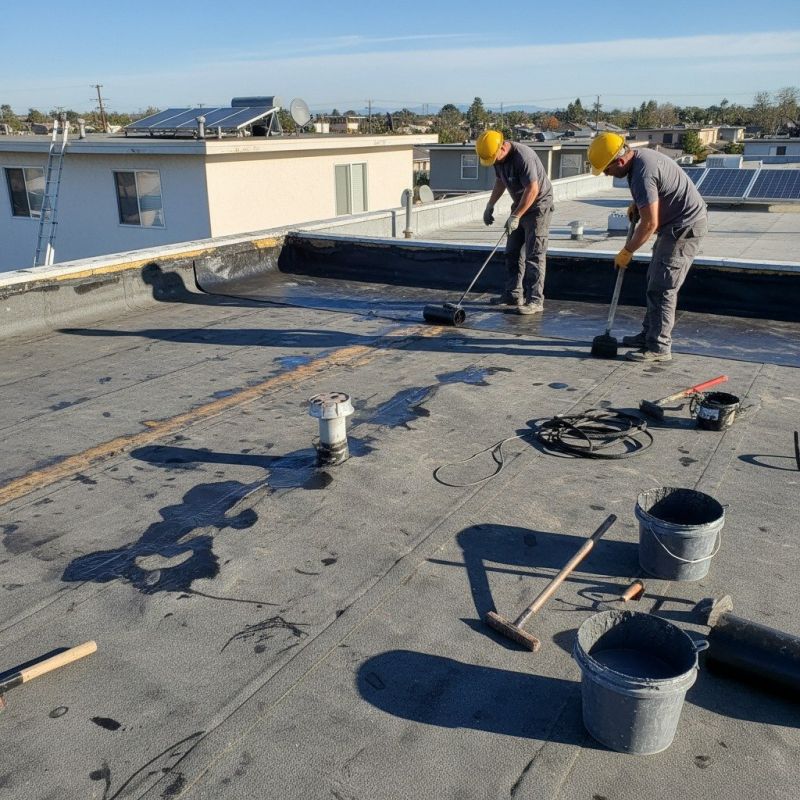
When comparing service providers for rubber roof repair, it’s important to consider their experience with similar projects. Homeowners should look for local contractors who have a proven track record of handling rubber roofing repairs and installations comparable to their specific needs. Asking about past projects or requesting examples of work can help gauge whether a contractor has the relevant expertise to address the unique aspects of rubber roofing systems.
Clear, written expectations are essential to ensure that both parties understand the scope of work, materials, and responsibilities involved. Homeowners should seek service providers who can offer detailed written estimates or proposals that outline the work to be performed, timelines, and any assumptions. This transparency helps prevent misunderstandings and provides a basis for comparison among different local contractors.
Reputable references and effective communication are also key factors in selecting a reliable service provider. Homeowners are encouraged to ask for references from previous clients and to verify the quality of past work. Good communication throughout the process-such as responsiveness, clarity, and willingness to answer questions-can make the entire experience smoother. It’s worth noting that this site introduces homeowners to local options who can handle the work, but it does not perform the services itself. The goal is to connect homeowners with trusted local contractors who meet these criteria.
Property owners use Rubber Roof Repair services for practical projects around their homes and businesses. This guide focuses on everyday jobs and straightforward project options.
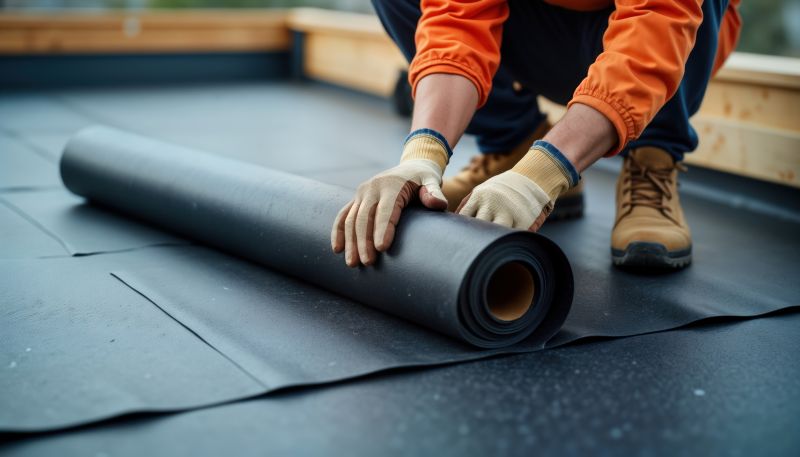
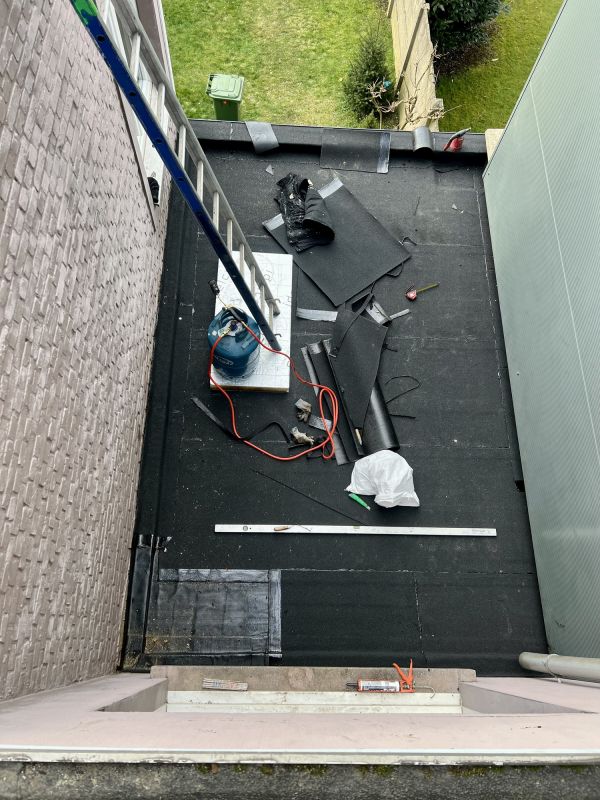
Rubber roof repair services are often needed when property owners notice leaks, ponding water, or visible damage on their roofs. These issues can arise from age, weather-related wear and tear, or minor impacts that compromise the roof’s integrity. Local contractors specializing in rubber roof repairs can assess these problems and provide solutions to help protect the building’s interior from water intrusion and further deterioration.
Additionally, property owners might seek rubber roof repair services after storms or harsh weather events cause punctures or tears in the roofing material. Routine inspections and repairs are also common as part of maintaining a roof’s performance over time. Service providers in the area are equipped to handle these everyday situations, ensuring that roofs remain functional and durable against the elements.
What are common signs that a rubber roof needs repair? Visible cracks, blistering, ponding water, or leaks inside the building can indicate that a rubber roof requires attention from local contractors.
How do professionals typically repair a damaged rubber roof? Repair methods may include patching cracks, sealing seams, or replacing sections, depending on the extent of the damage, handled by experienced local service providers.
Is it possible to prevent future damage to a rubber roof? Regular inspections, prompt repairs of minor issues, and keeping the roof clean can help prevent more serious problems, with advice from local roofing specialists.
What types of repairs are available for rubber roofs? Repairs can range from small patch jobs to full membrane replacements, performed by local contractors specializing in rubber roofing.
How can I find qualified local contractors for rubber roof repair? This site helps connect homeowners with local service providers experienced in rubber roof repair and maintenance services.
Preventative Maintenance - Regular inspections by local contractors can help identify minor roof issues before they develop into costly repairs.
Leak Repairs - When experiencing water stains or drips inside, property owners can seek local pros to address and fix roof leaks promptly.
Emergency Repairs - In case of storm damage or sudden roof failure, local service providers can quickly respond to restore roof integrity.
Roof Coating Applications - Applying protective coatings can extend the lifespan of a rubber roof and improve its resistance to weathering.
If you are thinking about Rubber Roof Repair for a property, this guide is meant to help you understand the work, the typical project types, and how different options might fit your plans.
When you are ready, you can use the quote form on this page to share a few details about your project. From there, local pros can review the basics and respond with options that match what you have in mind.